What to Put in a Calm Space for Kids
If your child struggles with big emotions, meltdowns, or overwhelm, one of the most helpful things you can create at home is a simple, supportive space where they can reset.
Not as a punishment.
Not as a timeout.
But as a place where they can learn how to regulate their body and emotions safely.
Start with Visual Supports
Before anything else, children need to see what to do when they feel overwhelmed.
This is where simple visual tools come in.
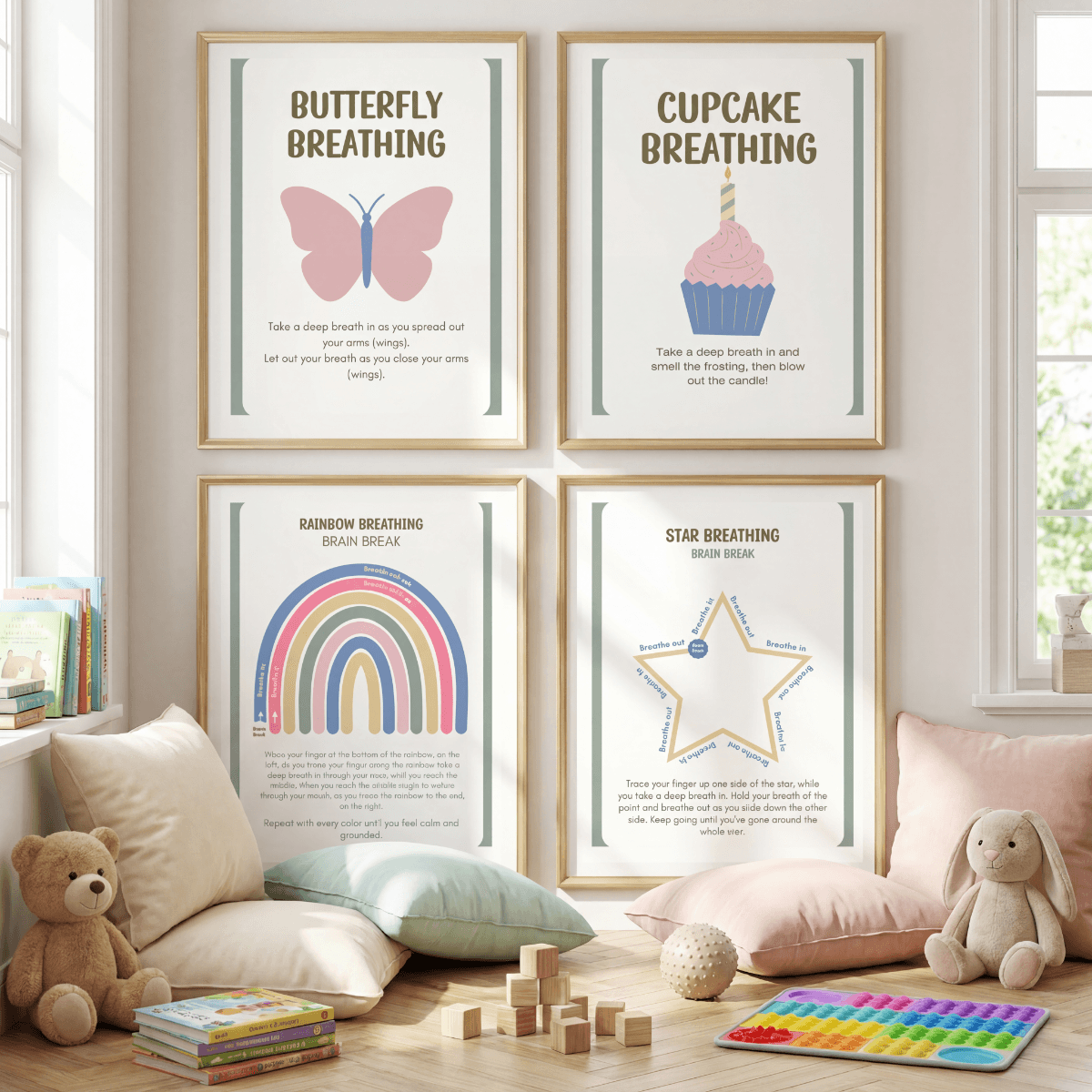
Breathing strategy printables are one of the easiest and most effective places to start. These can be printed and placed in your child’s space so they have a clear, concrete way to calm their body.
Examples include:
5 finger breathing
Rainbow breathing
Star breathing
Triangle breathing
Instead of telling a child to “calm down” (which rarely works), you are giving them a visual and physical strategy they can follow.
Over time, these become familiar and predictable — and that predictability is what helps the nervous system settle.
Create a Simple, Safe Space
You don’t need a perfectly styled “corner” or anything elaborate.
What matters is that the space feels:
calm
predictable
low stimulation
This might look like:
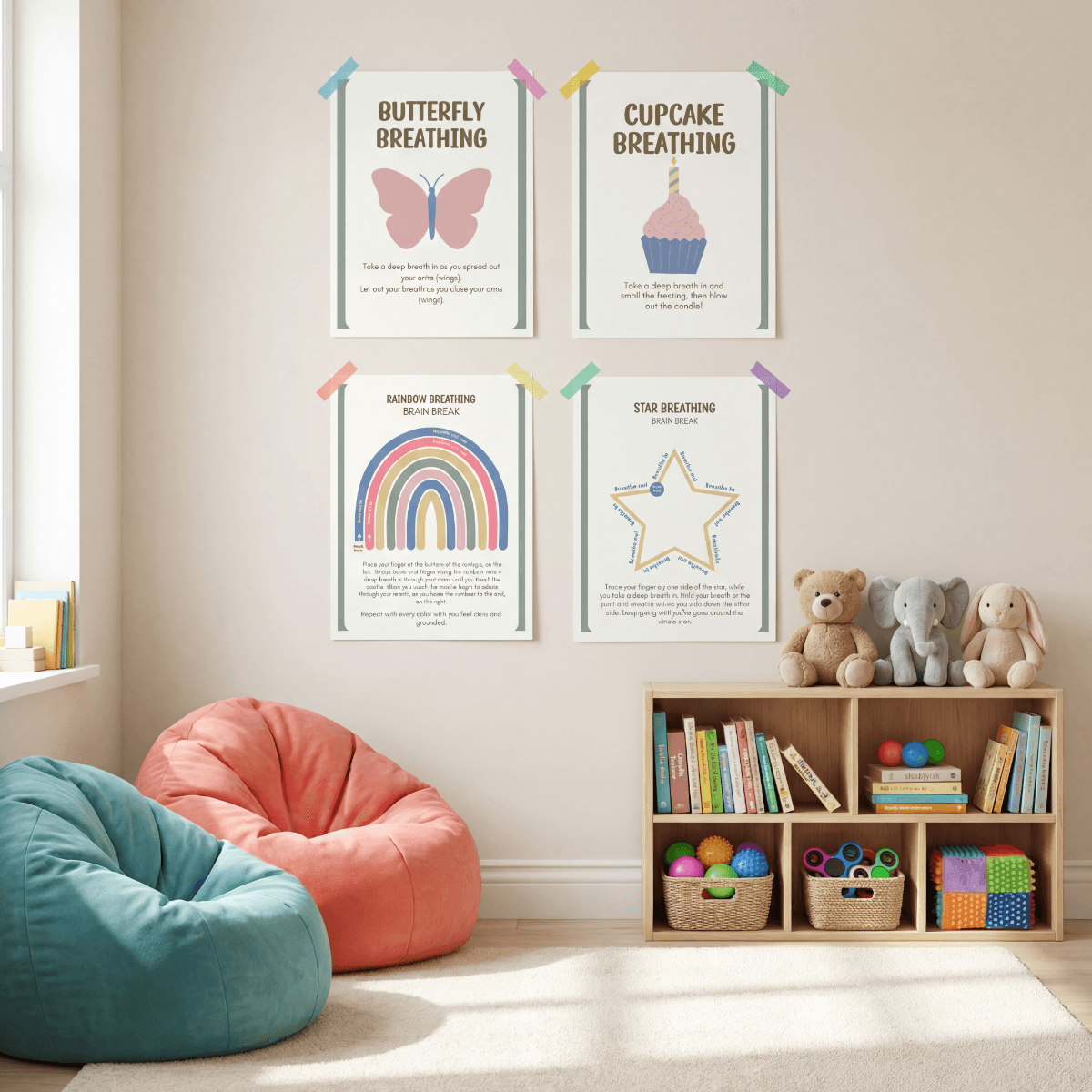
a soft cushion, bean bag, or small chair
a quiet area with minimal distractions
soft lighting or neutral colours
The goal is not to create something Pinterest-perfect.
The goal is to create a space your child associates with:
👉 calm, safety, and support
Consider Sensory Needs
Many children — especially those who are neurodivergent — experience the world through a heightened sensory lens.
This means that when they are overwhelmed, their body may be:
seeking input
avoiding input
or struggling to process what’s happening
Adding a few simple sensory tools can make a big difference.
Some examples include:
fidget tools or stress balls
soft textures (blankets, stuffed items)
sensory bottles
chewable items (if appropriate)
visual timers
These are not distractions.
They are tools that help the child’s nervous system organize itself.
(You can explore some of our favourite tools below — these are items we’ve used and found helpful in real life.)
This Is About Teaching, Not Escaping
A calm space is not about sending a child away when behaviour happens.
It is about teaching them what to do instead.
When used consistently and calmly, this space becomes:
a place to practice regulation
a place to use strategies
a place to reset and try again
This is especially important because many children are not lacking motivation — they are lacking the skills to manage what they’re feeling.
Where This Connects to Behaviour
This is where many parents get stuck.
We focus on calming the moment…
But we don’t always address why the behaviour is happening in the first place.
Regulation tools are incredibly important.
But they are only one piece of the puzzle.
To truly support a child, we need to understand:
👉 What is triggering the behaviour
👉 What function it is serving
👉 What skills are missing
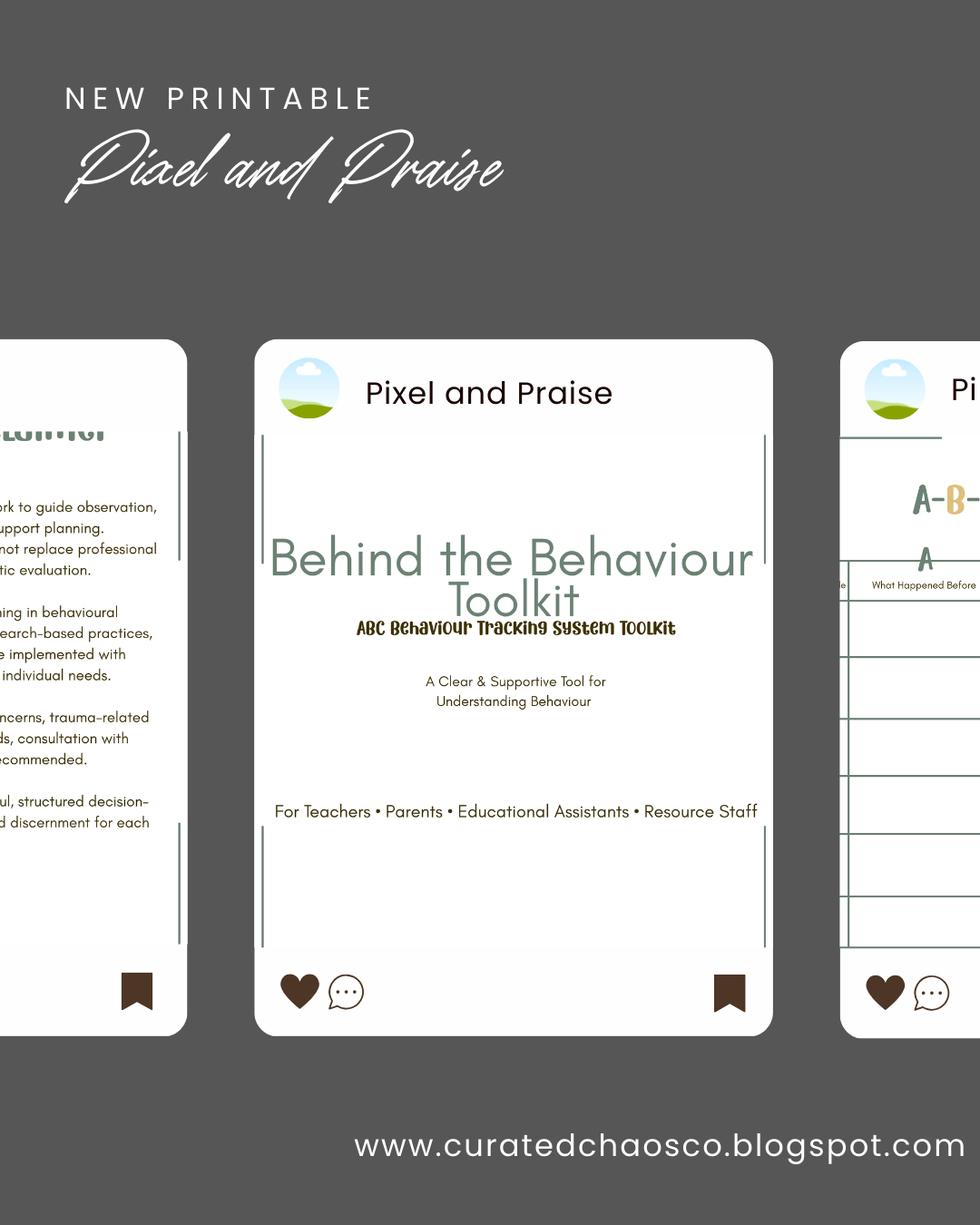
This Is Exactly Why I Created the Behind the Behaviour™ Toolkit
The calm space helps your child regulate in the moment.
The Behind the Behaviour™ Toolkit helps you understand what’s driving those moments — and what to do next.
It gives you a clear, structured way to:
Track behaviour patterns
Identify what’s really going on
Build a plan that supports both skill-building and boundaries
So you’re not guessing.
Final Thought
You don’t need a perfect setup.
You don’t need every tool.
What matters most is this:
👉 Your child has a safe place
👉 They are taught what to do
👉 And you are building understanding alongside support
Because when we combine regulation + understanding, real change starts to happen.
Some of the items mentioned above are tools I’ve personally used and found helpful when supporting regulation at home.
(Links coming soon — these may include affiliate links, which means I may earn a small commission at no extra cost to you.)
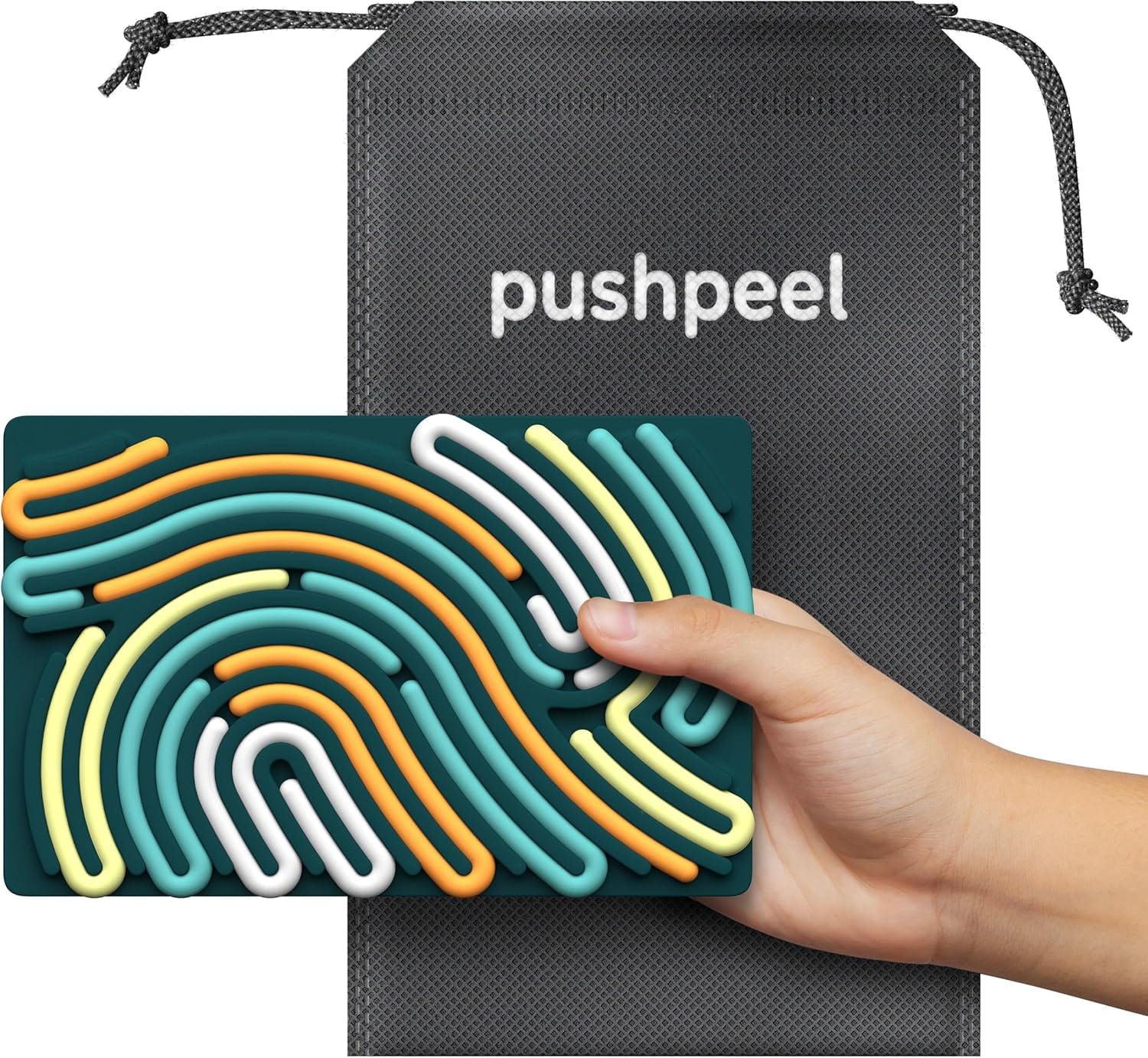
This silicone fidget is great for kids who need something to do with their hands. It supports fine motor skills while also providing a calming outlet for excess energy or restlessness. It’s easy to use, quiet, and a great option for both home and school settings.
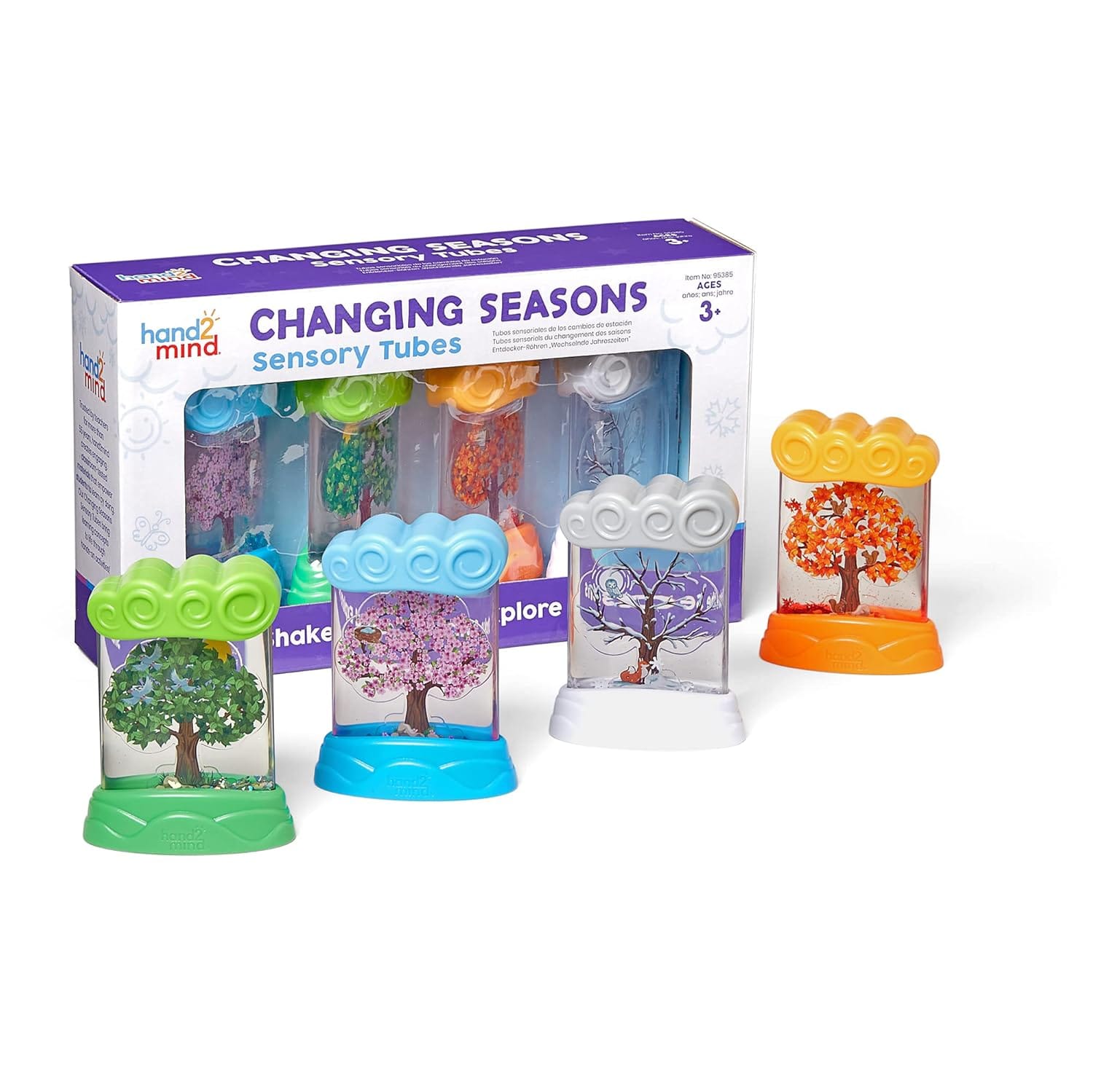
These sensory tubes are great for visual calming and focus. Each one represents a different season with small moving details inside, which can help children slow down and regulate through visual tracking. They’re simple, engaging, and especially helpful for kids who benefit from quiet, repetitive sensory input.
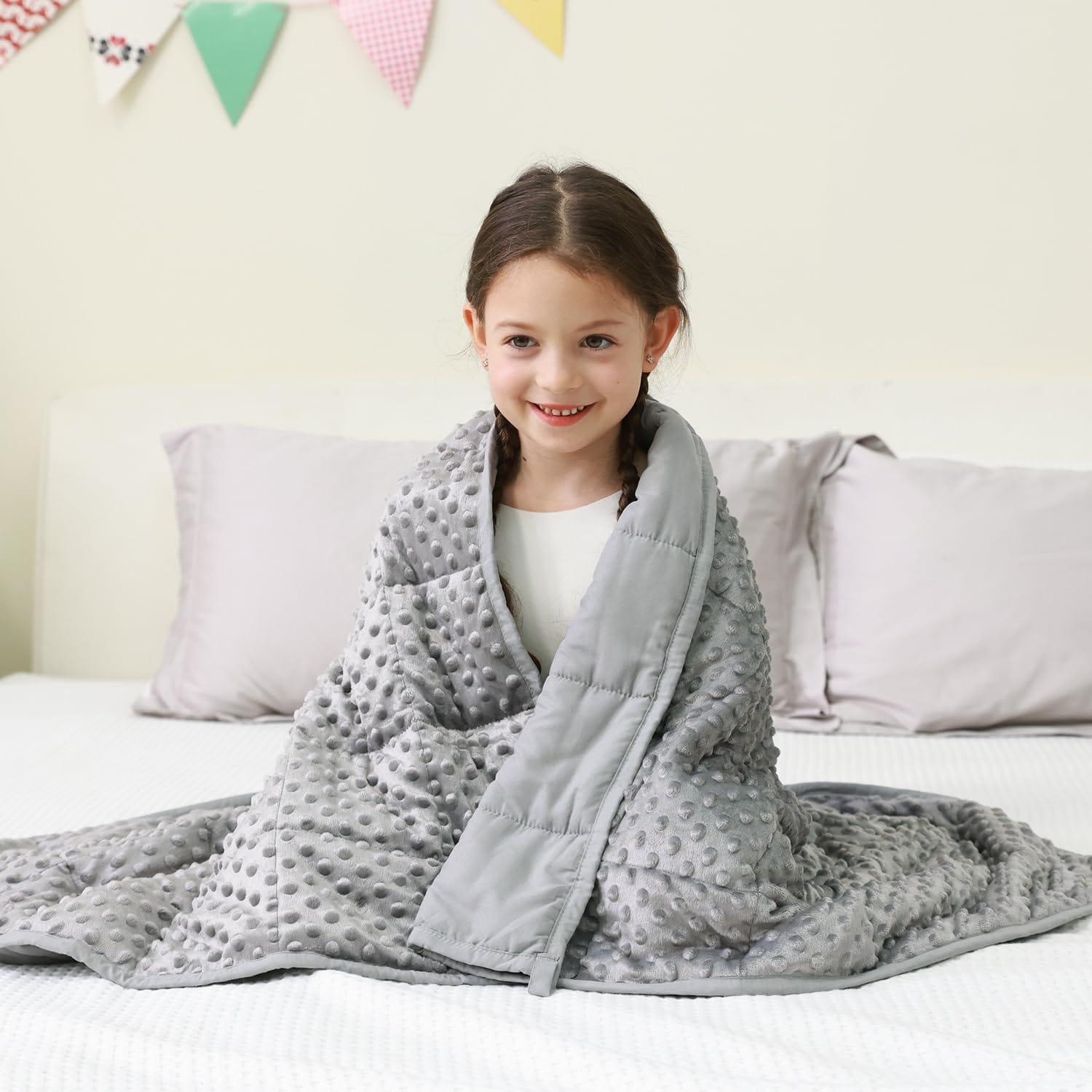
A weighted blanket can be really helpful for children who need deep pressure input to feel calm and grounded. The gentle weight provides a sense of security and can support regulation during moments of overwhelm or rest time. This is something we’ve found especially helpful for kids who struggle to settle their bodies.